

Winners of the “Adaptation for Wielkopolska 2026” competition announced. Three local governments receive funding for climate change adaptation projects
01.06.2026

All materials are intended for adults over the age of 18 only and should not be passed on or made available to persons under the age of 18.

The “Hydroni” Foundation, with the support of Kompania Piwowarska as the prize founder, has announced the results of the second edition of the “Adaptation for Wielkopolska 2026” competition. The initiative supports local governments from Poland’s Wielkopolska region in preparing blue-green infrastructure projects that help better respond to the impacts of climate change. The winners of this year’s edition are the Municipality of Kaźmierz, the Municipality of Śrem, and the Municipality of Szamotuły.
The winning projects demonstrate that adaptation measures can simultaneously enhance water retention, improve the quality of public spaces, and address the specific needs of residents. All three local government units proposed solutions deeply rooted in their local contexts, combining environmental, social, and educational functions.
– This year’s submissions demonstrated that local governments increasingly understand that climate change adaptation is not about implementing one-size-fits-all solutions, but about carefully responding to local needs and conditions. That is precisely why we recognized projects that combine tangible environmental benefits with practical value for residents, serving as a real catalyst for further action at the local level – comments Kamil Jawgiel, Leader of the “Hydroni” Foundation.
Three winning projects for Wielkopolska
The Municipality of Śrem will prepare comprehensive project documentation for a section of the Odlewników Park. The planned works will focus on improving retention and biodiversity, including through the biological purification of a water reservoir, the restoration of embankments using natural materials, and new plantings of native tree and shrub species. The planned activities aim to mitigate the urban heat island effect while better preparing the town for torrential rainfall and heatwaves.
The Municipality of Szamotuły received recognition for its project “A New Life for Jeziórko – Szamotuły’s Green Enclave,” which aims to transform a degraded post-industrial site into a biodiverse urban ecosystem. The concept is based on the idea of “assisted succession” and aims to create a natural retention space that will store water and counteract the effects of steppe formation in Wielkopolska. Plans also include protecting old-growth trees, eliminating invasive species, and creating a modern recreational space featuring paths with permeable mineral surfaces.
The Municipality of Kaźmierz will implement a project involving the construction of a rain garden along with an educational trail. The investment is designed to help alleviate the problem of local flooding that occurs after heavy rainfall, while carefully selected plants will support soil regeneration during periods of drought. An important component will be the educational aspect, aimed at raising ecological awareness among residents visiting this popular recreational area.
Shared effort to support the region’s climate resilience
The “Adaptation for Wielkopolska” competition is a joint initiative of the “Hydroni” Foundation and Kompania Piwowarska, which, as the prize founder, supports initiatives that are vital to local communities across the region. This is a natural direction for the company: water is one of the core ingredients needed to brew beer, which is why the producer has been consistently monitoring its consumption for years and strives to reduce it. Water management remains one of Kompania Piwowarska’s key environmental priorities. In Wielkopolska, this commitment is of particular significance, as the region is among the areas most vulnerable to the impacts of drought.
This year’s edition of the competition confirms that local governments in Wielkopolska are becoming increasingly active in seeking solutions that improve water management, mitigate the impacts of extreme weather events, and create more resilient, resident-friendly spaces.
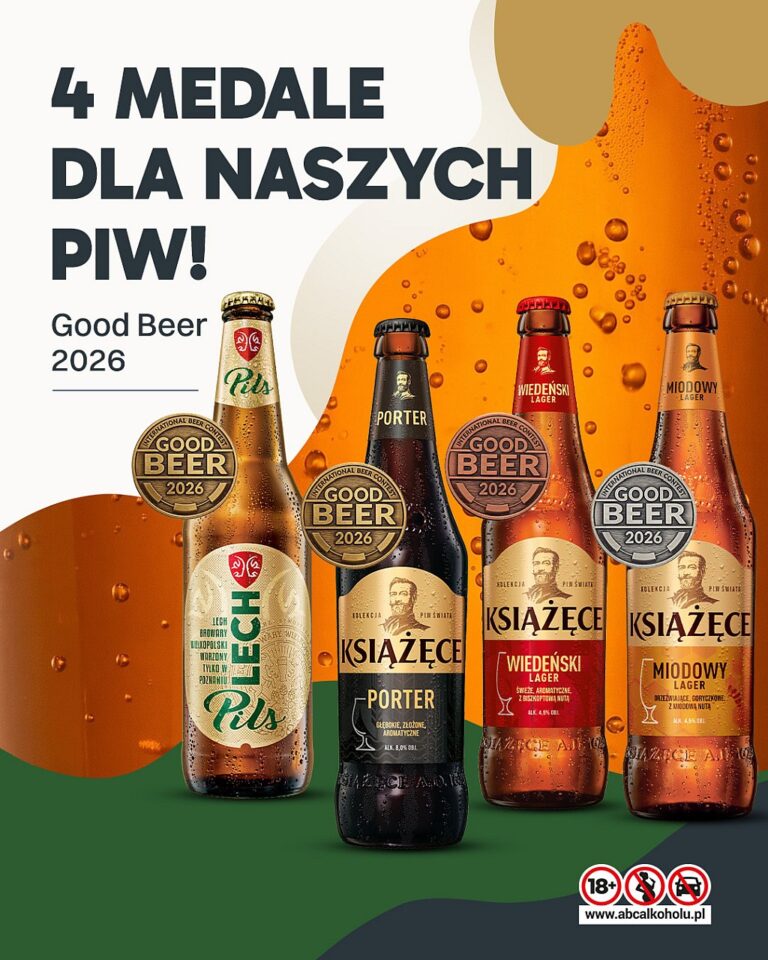
Four Good Beer medals for Kompania Piwowarska beers. Lech Pils takes gold for the second year in a row
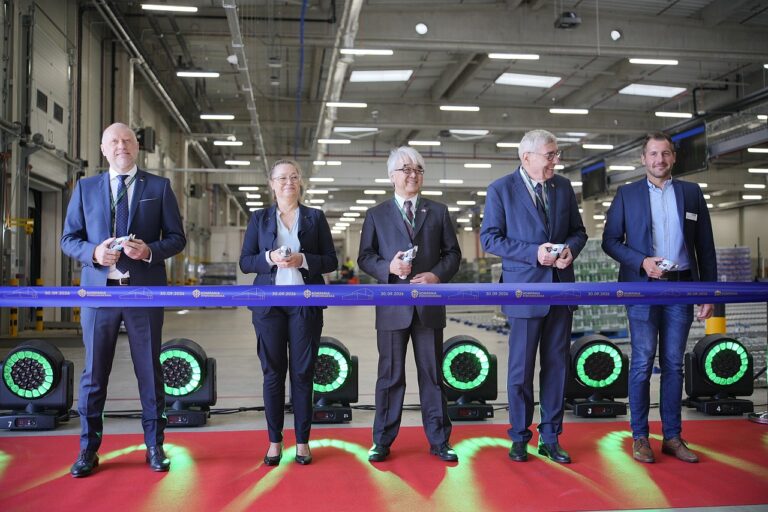
Kompania Piwowarska invests PLN 230 million in a modern supply chain model. New automated high-bay warehouse opens at its Poznań brewery
Tyskie extends its partnership as Official Partner of the Poland National Football Team