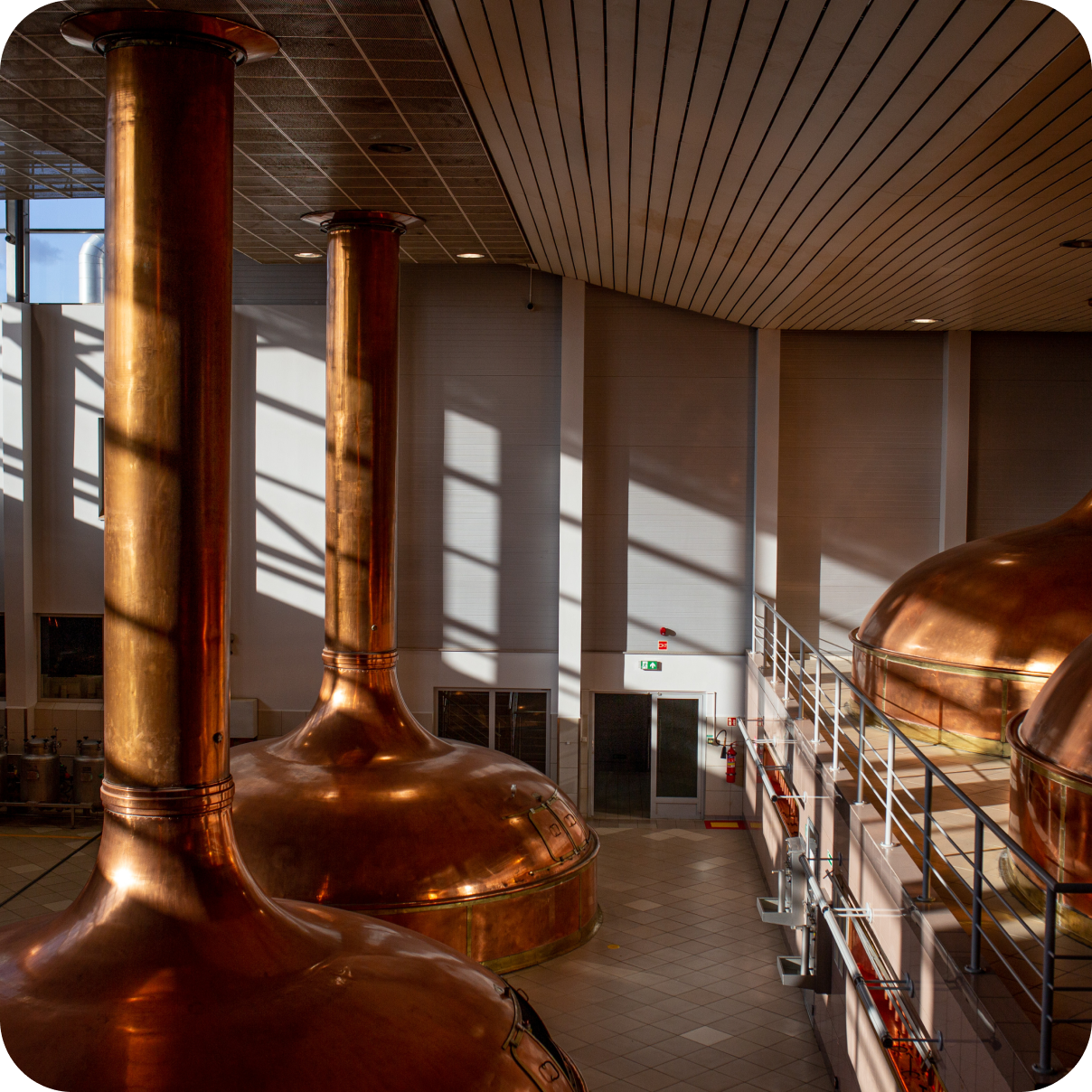
Lech Browary Wielkopolski is one of the largest breweries in Poland, located in Poznań. Its history is the history of Polish brewing, strongly associated with Wielkopolska, but also with economic changes
20th and 21st centuries.
Local brewing history
The brewery continues more than a century of brewing traditions in Poznan and is the heir to two breweries founded in the late 19th century - Mycielski's and Huggers'.
The brewery in its current location, Swiss Street, was launched on May 16, 1980, the day after the ceremonial "obliteration of the first brew," and the first batches of beer were bottled on June 23, 1980. It supplied light beers, dark beers and the malt beverage Black Pearl to the market at the time. In addition, it brewed Poznań Beer, destined for foreign markets (mainly Sweden).
At that time, the brewery was in the vanguard in terms of brewing technology in Poland, and began to serve as a center of professional development for employees of other plants. Already in its first decade of existence, it received numerous awards for its beers in national beer competitions.
Even today, thanks to numerous investments, Lech Browary Wielkopolski ranks among the largest and most modern breweries in Europe.
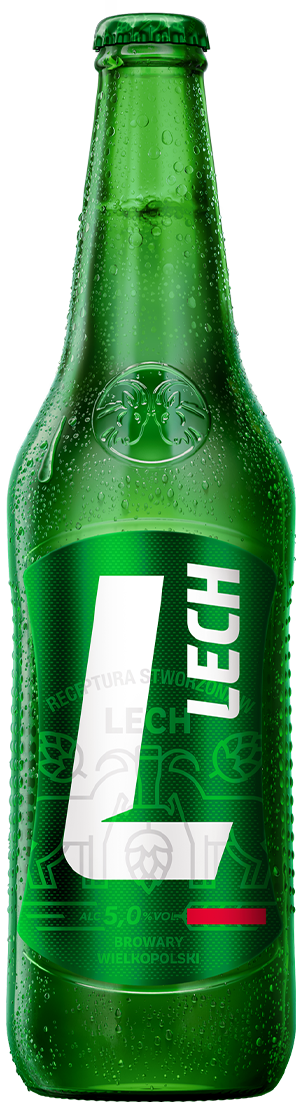
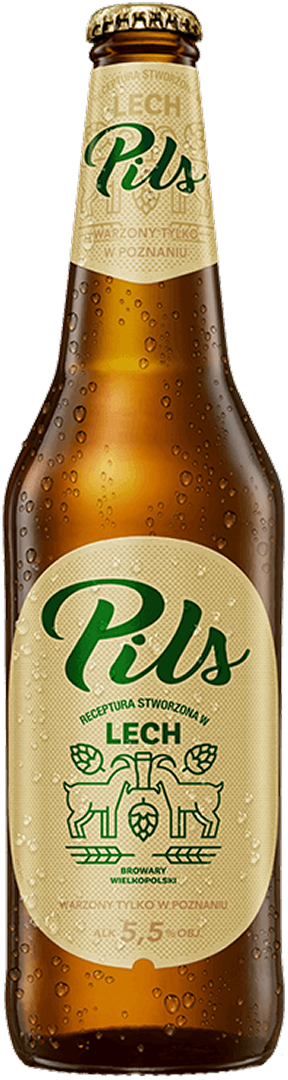
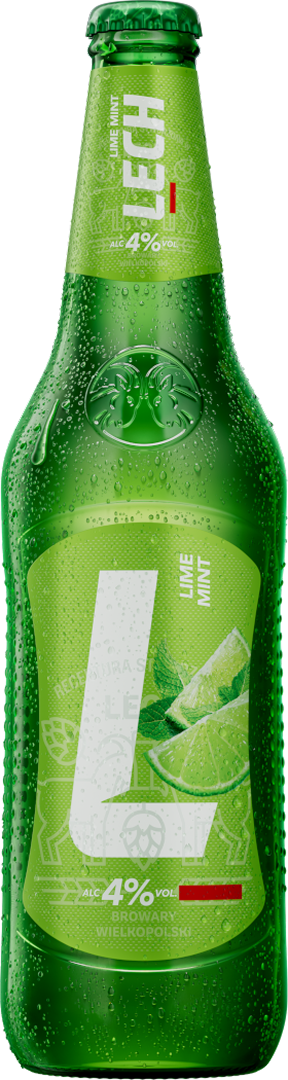
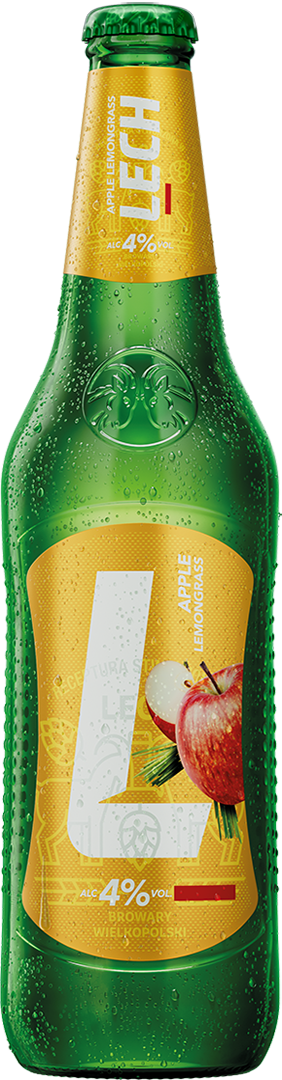
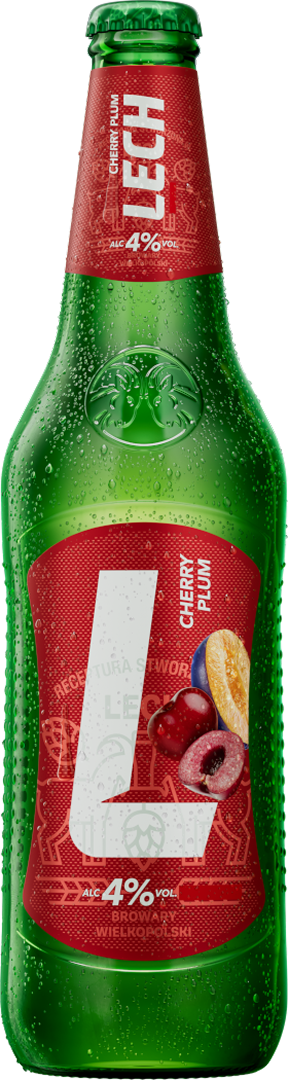
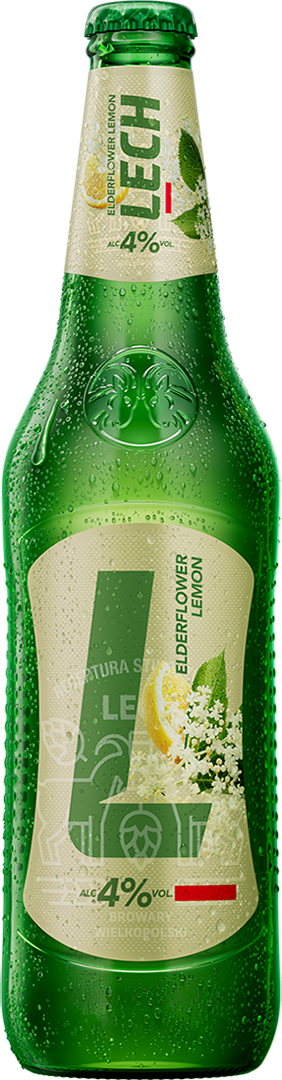
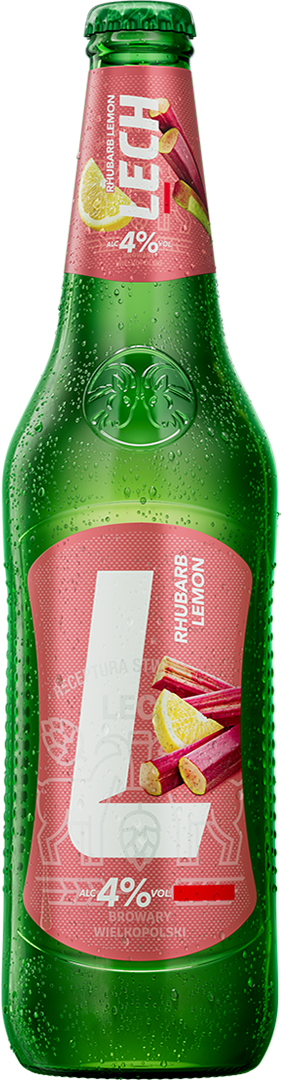
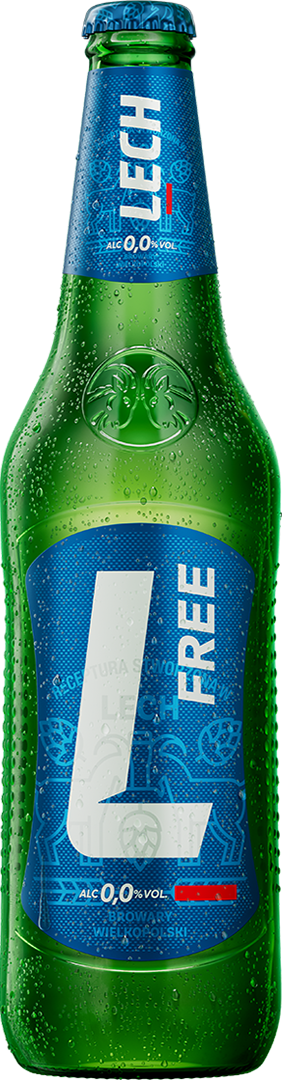
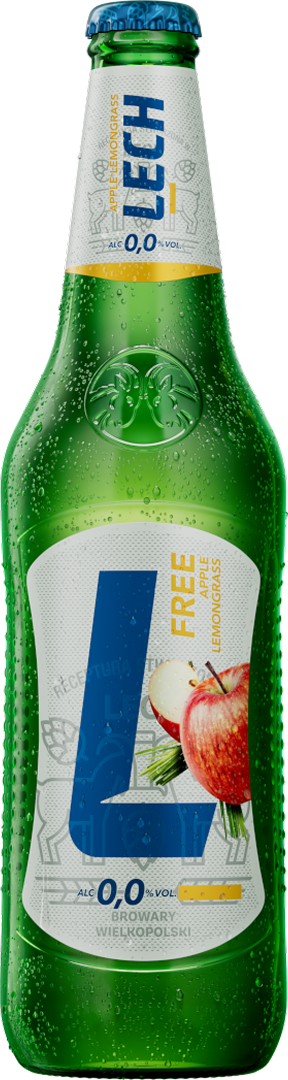
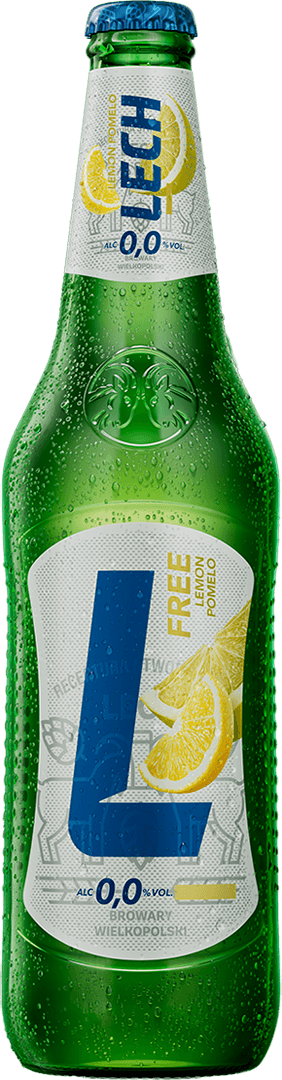
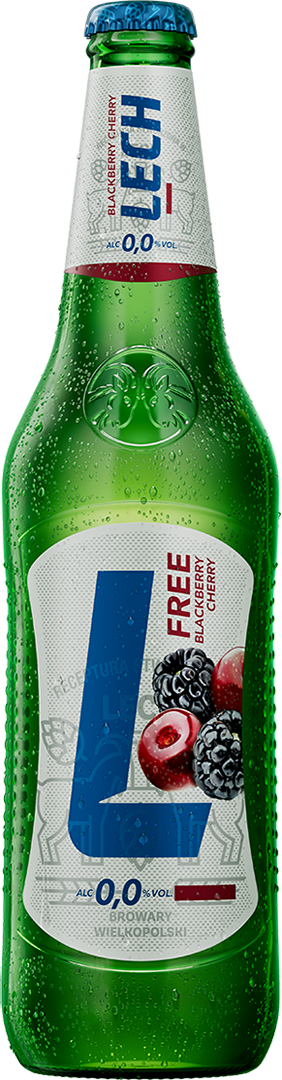
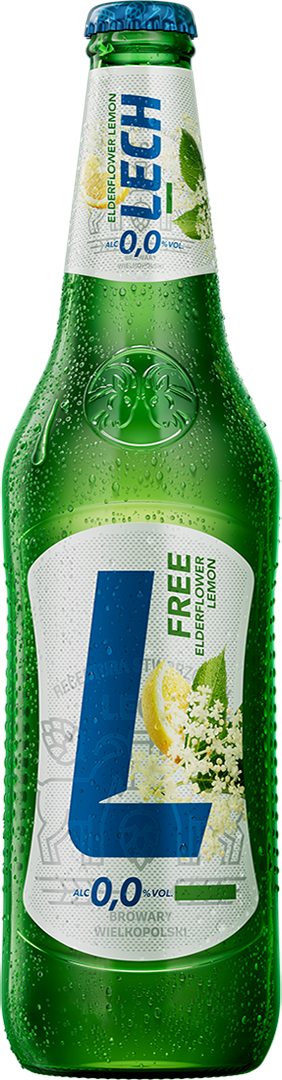
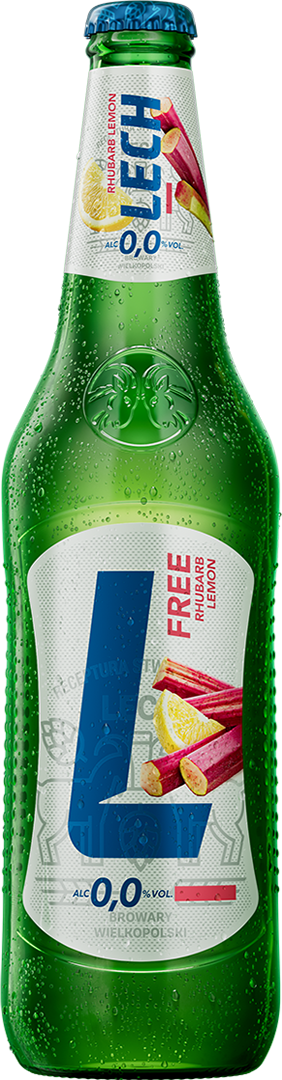
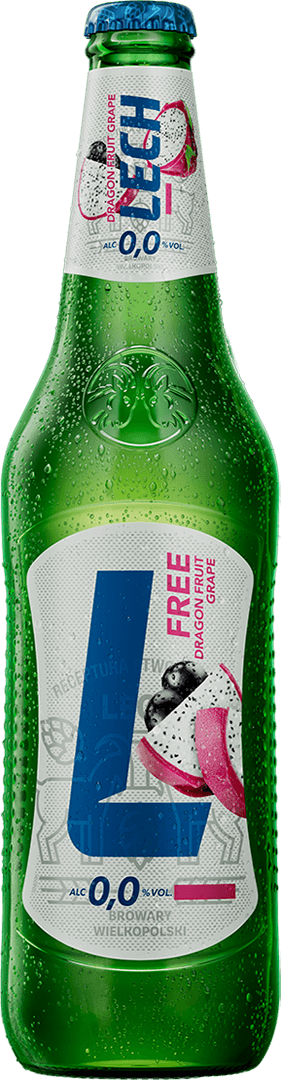
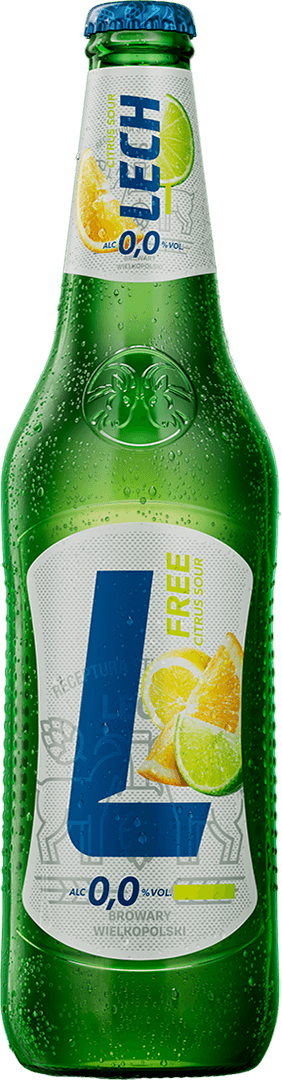
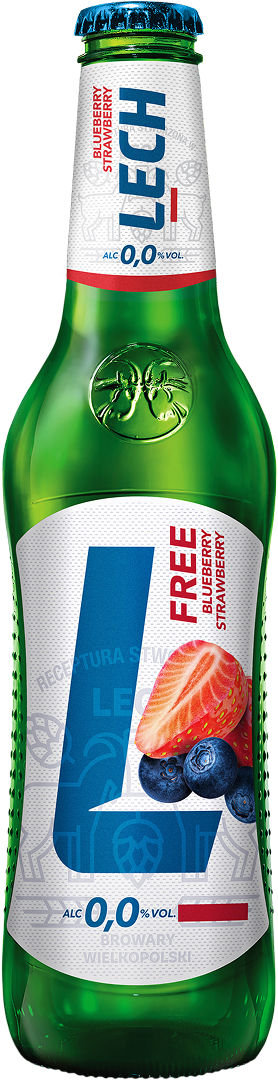
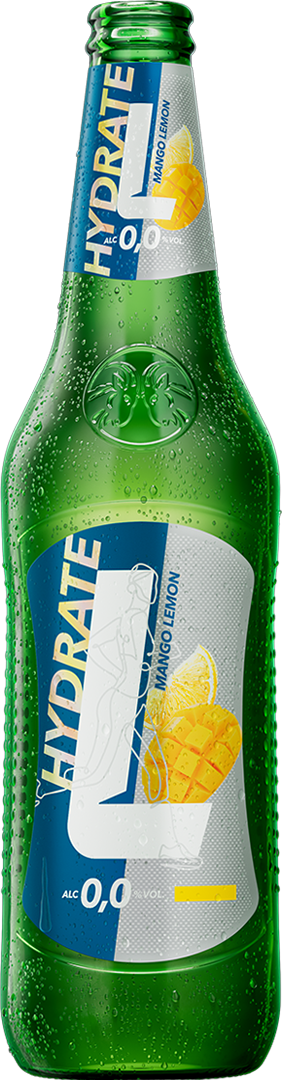
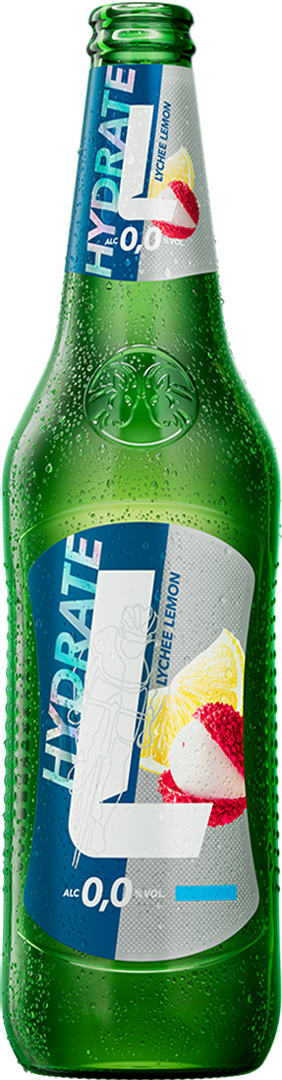
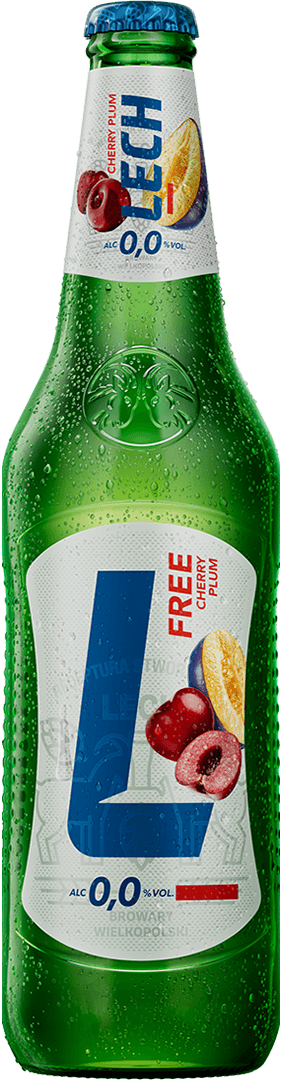
Lech beer - the brewery's flagship brand - has been invariably brewed here since 1982, and has been enriched over time with a variety of variants. In addition to Lech Premium, there are low- and non-alcoholic versions, flavored versions, shandy beers and the symbol of Wielkopolska - the local Lech Pils. Poznan Brewery has specialized in brewing non-alcoholic beers.
The Poznan Brewery has specialized in brewing non-alcoholic beers.
Beers produced by Lech Browary Wielkopolski
1872 - 2026
History of Lech Browary Wielkopolski
1872
After seven years of construction, the brewery in Kobylepol (eastern part of Poznań), owned by Count Józef Mycielski, is launched. At that time it is one of the most modern breweries in the country, and adopts a coat of arms with two galloping white horses as its symbol and later as its factory sign.
1895
Hugger Brothers Brewery is transformed into a joint stock company, but its history begins as early as February 1876. That's when owners Julius and Alphonse Hugger insure an icehouse on a parcel of land at today's Kosciuszko and Półwiejska streets. Soon the icehouse is turned into a lagering and fermentation plant, and a few years later the complex is expanded to include a brewhouse, malt house and drying room. The buildings are maintained in the arcaded style typical of industrial buildings of the time: red facing brick facades, semicircular windows and simple details. The brewery thrived very well until World War I. It is famous for its Pilsen Crystal, dark Munich Special and Porter.
1926
Poznan entrepreneur Dr. Roman May buys shares in a brewery with the intention of producing malt and exporting it to the United States. The idea brings the company, which is additionally struggling with high taxes and hop prices, into crisis.
1937
The brewery is leased to the Restoration Union Brewery Company, which has as many as 82 shareholders. Investments are interrupted by the outbreak of World War II.
1939-1944
The brewing of beer takes place under the administration of the German occupation authorities, who set up shelters in the basement of the brewery in late 1944.
1945-1946
In February, during the fighting for the liberation of Poznan, the brewery is severely damaged. Despite this, production starts already a few months later, reaching 10,000 hectoliters of beer by the end of 1945. The plant is still owned by a company of restorers, but already in 1946 it is nationalized and comes under the management of the Central Board of the Polish Fermentation Industry, Bydgoszcz branch.
1951
As a result of organizational and ownership changes, Zakłady Piwowarsko-Słodownicze (Brewing and Malting Plants) is established, a company quite large for the communist era. It includes a brewery in Półwiejska Street (Huggers), Kobylepole Brewery (Mycielski) and Lackowski Brewery in Koscielna Street, as well as plants in Ostrow, Krotoszyn, Bojanowo, Grodzisk Wielkopolski, Czarnkow, Trzcianka, Miloslaw, Smigl, Nowy Tomysl, Wolsztyn, Wrzesnia, Gniezno and Konin, plus malting plants in Poznan and Stawiszyn.
1975
Thanks to the perseverance and efforts of Tadeusz Kaczorowski, then director of the Poznan breweries, the construction of a brewery in Franowo that can brew 1 million hectoliters of beer per year and a malting plant with a production capacity of 50,000 tons of malt per year is being launched. The new brewery is being built under the watchful eye of chief designer Stefan Kwiatkowski of the Fermentation Industry Design Bureau in Warsaw, which has prepared full technical and economic documentation. The brewery buildings are being erected on a plot of 17 hectares. An important circumstance in favor of such a location of the brewery is the direct vicinity of the Poznan-Franowo railroad junction (a railroad siding is brought to the plant). The brewery is considered a technological and architectural gem of the communist era. A variety of innovative structural and technological solutions are used during construction.
1980
The Franowo brewery is launched on May 16, the day after the ceremonial " obliteration of the first brew". Chief technologist Zdzislaw Zając and head brewer Andrzej Piotrowski are responsible for the technological start-up. The Hugger brewery closes in June - although it has a production capacity of 130,000 hectoliters of beer per year, but without the possibility of further development.The first batches of beer at the new brewery are bottled on June 23, and the very next day they can be "purchased commercially." The brewery supplies the PRL market with light beers, dark beers and the malt beverage Black Pearl. In addition, it brews Poznań Beer, destined for foreign markets (mainly Sweden). The brewery is in the vanguard in terms of brewing technology in Poland, and begins to serve as a center of professional development for employees of other plants. In the first ten years of its existence, it receives numerous awards for its beers in national beer competitions: for dark special beer (9%), for Black Pearl, for the protoplast of today's Lech Premium beers and Lech Pils - Lech beer (third place and a bronze medal in 1986).
1982
In October, 9660 hectoliters of the new Lech beer is brewed, which will become the brewery's flagship product. It is a Pilsner-type beer, produced using the classic method, with a distinctly hoppy aroma, noble bitterness, and a rich and persistent head. The authors of the name are the brewers in charge of the brewery at the time.
1984
Poland's largest malting plant based on French technology is launched. Its production capacity is 50,000 tons of malt per year.
1992
The commercialization process begins. A single-person Treasury company is established under the name Lech Browary Wielkopolski SA. The new name of the brewery reflects its marketing strategy, based on consistent building of a recognizable image of the company and its flagship brand Lech Premium. Lech Browary Wielkopolski SA is running an unprecedented advertising campaign, tying the Lech brand to the color green, symbolizing purity, joy and youth.
1995
Technology investment begins. Beer 10.5 is launched, accompanied by a major advertising campaign with the slogan "Welcome to the club." The brand immediately becomes very popular.
1999
The merger of Tyskie Browary Książęce and Lech Browary Wielkopolski creates Kompania Piwowarska SA.
2001
The brewery receives ISO 14001 environmental certification.
2003
A company pub is launched, where people employed at the brewery can enjoy the golden beverage, especially the Wielkopolska people's favorite beer - Lech Pils.
2004
A new brewhouse, built in just four months, is beginning to operate.
2005-2006
The brewery's production capacity is already at 5.6 million hectoliters of beer per year. At the end of 2005, a new bottling line is installed for filling non-returnable bottles (60,000/hr), and in the following months an environmentally friendly gas boiler plant is installed.
2012
The beginning of a long-standing cooperation between two leading brands from Wielkopolska - Lech Pils and KKS Lech Poznań. Lech Pils, as a sponsor of the club in subsequent years, organizes many actions aimed at fans, the most spectacular of which is "Putting a Legend at the Bulgarska Station" - restoring and transporting a historic Ty51-183 steam locomotive in front of the Poznań stadium.
2013
Construction of a new fermentation plant and bottling line is starting. The modern and environmentally friendly bottling line is capable of filling 60,000 returnable bottles per hour. The investment of about PLN 100 million is aimed, among other things, at increasing the brewery's flexibility.The first fifteen years of the new century were a time of intensive development of the brewery and major investments, including a new 2,400-square-meter hall and bottling line, a canning line, expansion of fermentation and increased filtration capacity, construction of a new brewhouse, boiler house or wastewater neutralizer.
2019
A bottle collection point is being launched next to the brewery, where, without a receipt, one can return a beer bottle from any producer (not just Kompania Piwowarska) and receive a deposit
2020
Lech Browary Wielkopolski is celebrating its 40th anniversary. Over four decades, the plant's production capacity has increased from 1 to 8 million hectoliters of beer per year.Thanks to a PPA concluded in 2019 between Kompania Piwowarska and RWE, the share of purchased renewable electricity is already enough to cover the energy needs of Lech beer production.
2023
RWE's LECH Nowy Staw III wind farm, the result of a 2019 contract, begins operation. The unit is christened with the name of the Poznan plant and its most important brand, although it produces electricity for all three breweries.
2024
Modern heat pumps are being installed at the brewery, which will enable significant energy savings and contribute to Kompania Piwowarska's achievement of carbon neutrality in breweries by 2030. The cost of the investment in a modern energy recovery system based on heat pumps, covering Tychy and Poznań, is PLN 25 million.Construction of a new 12,000-square-meter high-bay warehouse, 40 meters high and accommodating 40,000 pallets, is starting. The PLN 200 million project represents the largest investment in logistics in the company's history.